


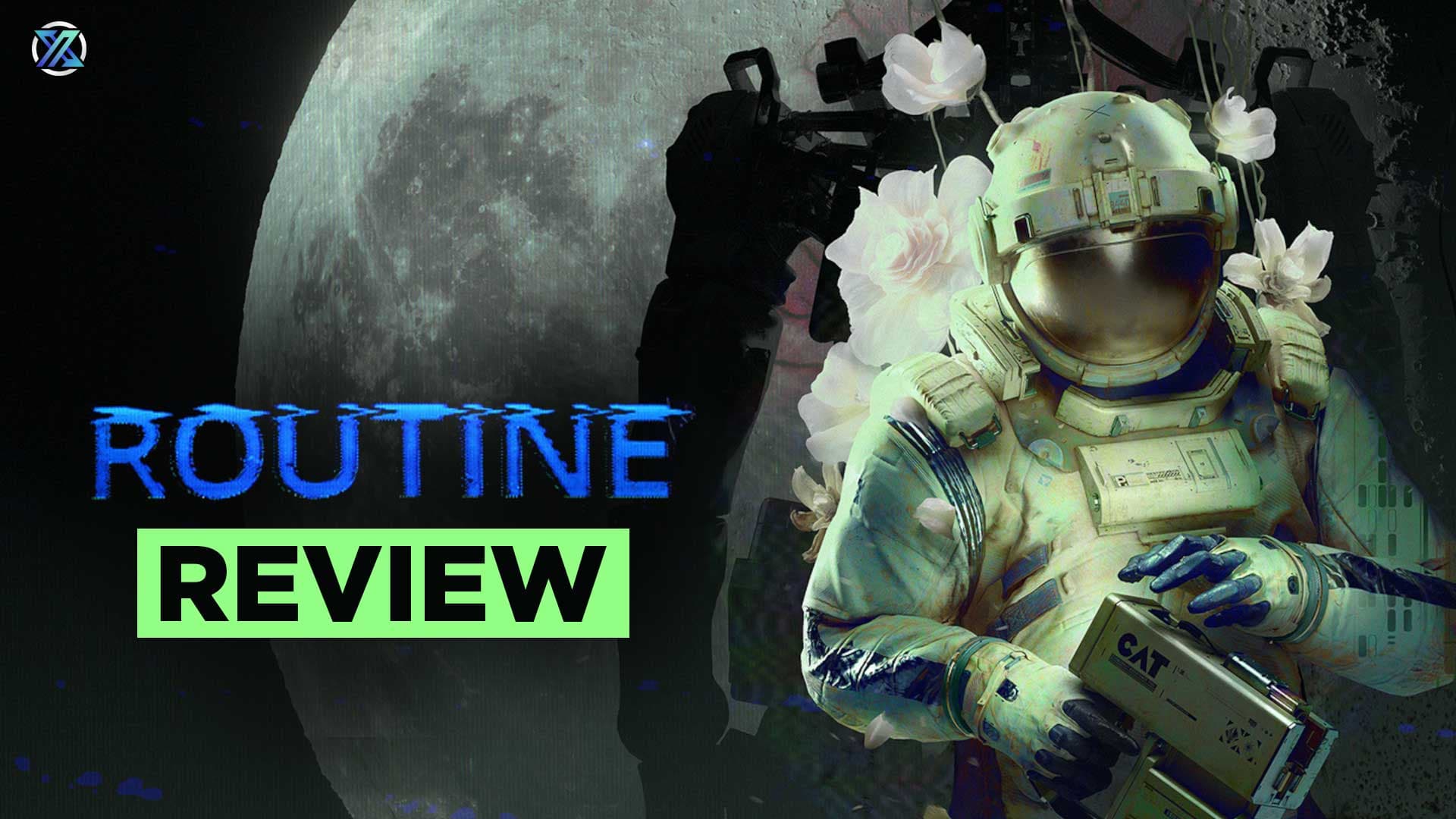
Horror thrives on uncertainty, and Routine understands this better than most modern games. Set within the cold, unforgiving corridors of an abandoned lunar facility, Routine is not interested in cheap scares or over-the-top spectacle. Instead, it builds dread slowly, methodically, and relentlessly. Every flickering light, every distant mechanical sound, and every empty hallway serves a singular purpose: to remind you that you are completely alone and deeply vulnerable.
After years of anticipation and development, Routine finally arrives as a reminder that true horror does not need excess. It needs atmosphere, restraint, and trust in the player’s imagination.
A Haunting Premise Rooted in Isolation
At its core, Routine is a first-person survival horror game set on a deserted moon base inspired by retro-futuristic visions of space exploration. There are no lengthy cutscenes explaining what went wrong, no exposition-heavy dialogue spelling out the backstory. Instead, the narrative unfolds subtly through environmental storytelling, logs, and visual clues scattered throughout the station.
This deliberate lack of clarity works in the game’s favour. The moon base feels abandoned, but not lifeless. Something happened here, something catastrophic and while the game never forces answers upon you, it constantly reminds you that you are trespassing in the aftermath of disaster.
Advertisement
The sense of isolation is profound. Unlike many horror games that rely on frequent encounters or scripted events, Routine embraces silence. The emptiness itself becomes unsettling, making every step forward feel like a risk.
Atmosphere : The True Protagonist
If Routine excels anywhere, it is in the atmosphere. The game’s environments are meticulously crafted, combining sterile lunar architecture with dim lighting and shadow-heavy corridors. The retro-futuristic design evokes a sense of familiarity, yet everything feels wrong, too quiet, too still.
Sound design plays a crucial role in maintaining tension. The low hum of machinery, distant clanks echoing through hallways, and the subtle whirring of unknown mechanisms constantly keep you on edge. Music is used sparingly, allowing ambient sounds to dominate and heighten the feeling of unease.
Advertisement
Lighting is another standout element. Flickering fluorescents, emergency lights, and pitch-black rooms force players to rely on limited visibility. Darkness is not just a visual obstacle, it is a psychological one. You never quite know what lies beyond the beam of your light, and that uncertainty is terrifying.
Gameplay Mechanics : Vulnerability Over Power
Routine strips the player of power, replacing traditional combat-focused mechanics with vulnerability-driven gameplay. You are not a heavily armed space marine. You are fragile, under-equipped, and constantly at risk.
Weapons, when available, are unreliable and difficult to use. Ammunition is scarce, aiming is intentionally awkward, and encounters feel tense rather than empowering. Often, avoiding danger is the smarter choice, reinforcing the idea that survival not domination, is the goal.
Advertisement
Stealth plays a significant role. Moving quietly, observing enemy patterns, and choosing when to engage (or flee) becomes essential. Mistakes are punished quickly, encouraging careful decision-making rather than reckless exploration.
This approach may frustrate players accustomed to action-heavy horror games, but it perfectly aligns with Routine’s vision. Fear comes not from overwhelming enemies, but from knowing you cannot easily defend yourself.
Enemy Design : Fear Through Unpredictability
The threats in Routine are not constant, but when they appear, they leave a lasting impression. The game avoids overexposure, ensuring that encounters remain tense and unpredictable.
Enemies feel mechanical, cold, and indifferent, more like malfunctioning guardians than traditional monsters. Their movements are unsettling, their presence announced through sound before sight. Often, you hear them long before you see them, allowing dread to build naturally.
What makes these encounters particularly effective is their unpredictability. Enemies do not always behave the same way, preventing players from relying on memorisation alone. This unpredictability reinforces the game’s core theme: you are never truly safe.
Exploration and Pacing
Exploration in Routine is slow and deliberate. The lunar station is large, interconnected, and filled with optional areas that reward curiosity. However, exploration always carries risk. Resources are limited, and wandering aimlessly can lead to dangerous encounters or wasted supplies.
The pacing is intentionally restrained. Routine does not rush the player from scare to scare. Instead, it allows tension to simmer. Long stretches of quiet exploration are punctuated by moments of intense fear, creating a rhythm that feels natural and unsettling.
This slow-burn pacing will not appeal to everyone, but for fans of psychological and atmospheric horror, it is one of the game’s greatest strengths.
Visual Presentation : Retro-Futurism Done Right
Visually, Routine commits fully to its retro-futuristic aesthetic. The design draws inspiration from classic science fiction, blending old-school technology with a bleak vision of space exploration. Monitors glow with outdated interfaces, terminals hum softly, and bulky equipment lines the walls.
Textures and lighting work together to create a believable, lived-in environment. Signs of human presence, abandoned workstations, personal belongings, damaged equipment, hint at stories left untold. The lack of character models emphasises the loneliness, making the station feel like a tomb rather than a workplace.
The game may not push cutting-edge graphical fidelity, but its art direction ensures that every environment feels purposeful and immersive.
Minimalist Storytelling
Rather than relying on dialogue or cinematic storytelling, Routine trusts players to piece together the narrative themselves. Audio logs, visual cues, and environmental details provide fragments of information, allowing players to construct their own understanding of events.
This minimalist approach respects the player’s intelligence and enhances immersion. By avoiding explicit explanations, the game leaves room for interpretation, making the experience feel personal and unsettling.
The story is not about grand heroics or saving humanity. It is about survival, loss, and the consequences of isolation, both physical and psychological.
Technical Performance
On a technical level, Routine performs competently. Load times are reasonable, controls are responsive, and performance remains stable during most gameplay scenarios. Minor issues such as occasional visual glitches or environmental clipping may occur, but they rarely disrupt the experience.
The game’s intentional clunkiness in movement and combat can sometimes be mistaken for technical flaws, but it is largely a deliberate design choice meant to reinforce vulnerability.
Strengths and Weaknesses
Strengths
- Exceptional atmosphere and sound design
- Deep sense of isolation and tension
- Thoughtful pacing and environmental storytelling
- Unpredictable enemy encounters
- Strong retro-futuristic aesthetic
Weaknesses
- Slow pacing may not appeal to all players
- Limited combat options can feel restrictive
- Minimal narrative may frustrate those seeking clear answers
Who Will Enjoy Routine?
Routine is best suited for players who appreciate slow-burn horror, environmental storytelling, and psychological tension. Fans of classic survival horror and atmospheric science fiction will find much to admire.
However, players looking for action-heavy gameplay, frequent combat or explicit storytelling may find the experience too restrained.
Final Verdict
Routine is a masterclass in atmospheric horror. It understands that fear is most effective when it is subtle, earned, and rooted in vulnerability. By prioritising tension over spectacle and isolation over action, the game delivers a haunting experience that lingers long after the screen fades to black.
It may not be a horror game for everyone, but for those willing to embrace its slow, methodical approach, Routine offers a deeply unsettling journey into the darkness of space and the fragility of the human psyche.