


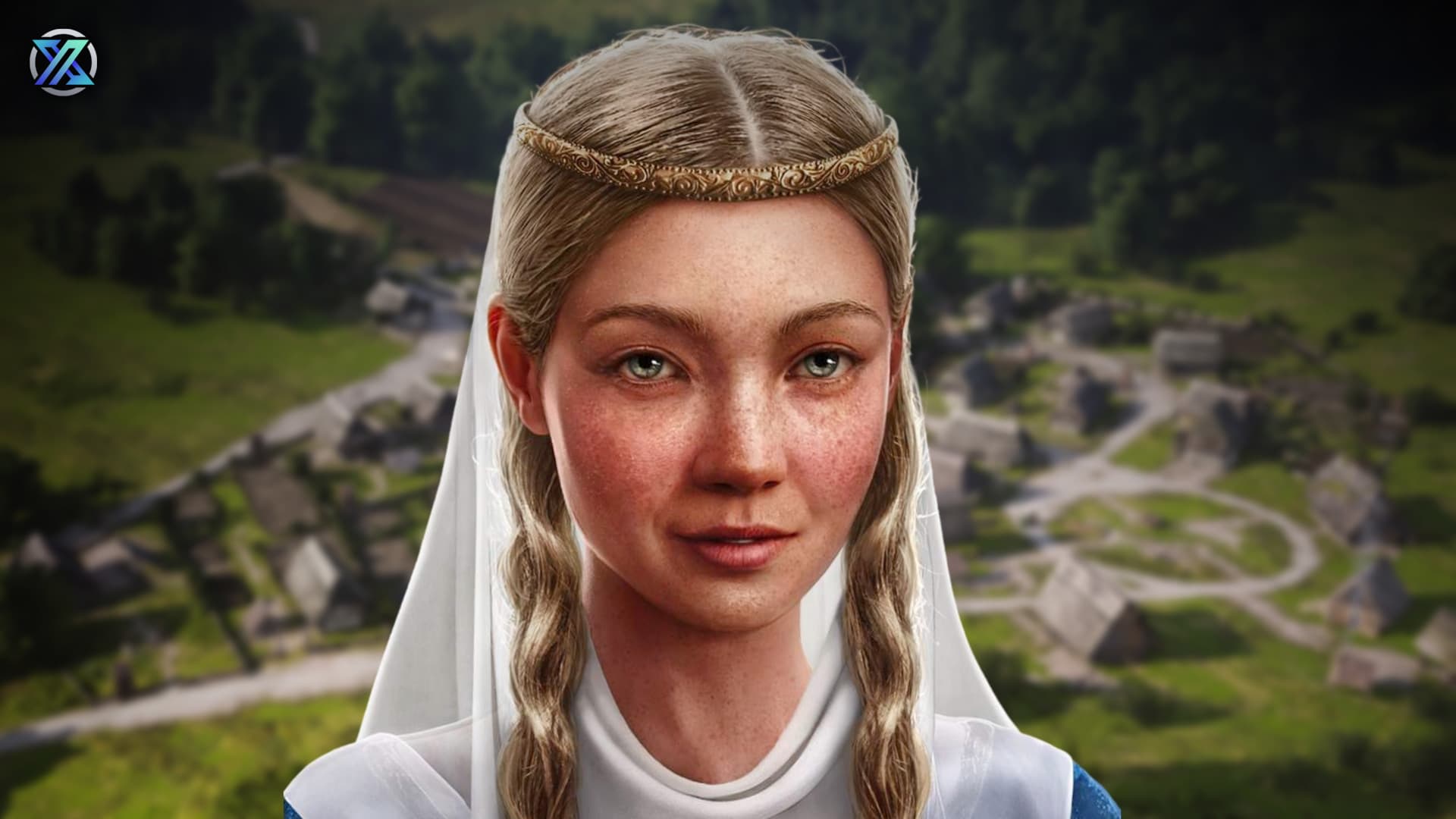
In this AI-driven world, individuals usually experiment with automated technologies to speed up their operations. While, even many game publishers use AI-generated content, the publisher behind Manor Lords strictly opposes it. Reports claimed that the Hooded Horse (the publisher) has transformed its AI dissatisfaction into a policy that formally bans AI-driven assets through developer contracts.
In a competitive game industry where many studios use AI to secure their future, this decision by the renowned developer has ignited a heated argument. Throughout the buzz, don’t think of it as a philosophical statement, since the reality remains that it is a practical decision that will transform the way gamers are built and refined from scratch.
Advertisement
This news is a threat to the developers who entirely rely on AI and appreciate hard work. Whether you want to know the policy developed by Manor Lords Publisher or need clarity on whether the decision is an innovative approach, this blog will serve you an unbiased breakdown of the reality that the gaming industry is curious to know about.
What’s The Rule?
According to the sources, Hoodie Horses, the well-known "Manor Lords" publisher, has officially banned the use of AI-generated content in the games it publishes. Importantly, the ban is now turned into a professional contractual requirement for developers who have worked with them.
Advertisement
GamesRadar clarified that CEO Tim Bender announced that all game contracts linked to the publishers now include a clause prohibiting the use of generative AI. It is to be noted that this restriction is not only limited to the game's final draft, but also covers placeholders and temporary assets.
This movement might look like an unusual announcement, but deep down, it is a blessing for gamers who prioritize handcrafted materials. In contrast, the rule also brings a serious note for the developers and community on whether rejecting AI can slow down creative progress, especially in a competitive industry.
Advertisement
Why Did the Manor Lords Publisher Conclude on This Verdict?
Tim Bender, the CEO of indie publisher Hooded Horse, has actively talked about the effects of generative AI on game development. Credible platforms, Tim calls generative AI "cancerous" while acknowledging that it makes development more chaotic instead of helping. One of the biggest concerns is that the usage of temporary AI assets can even interfere with the final draft, and this is why the company doesn't appreciate any generative AI being used in any stage of the process.
Behind these noteworthy issues, Hooded Horse also highlighted their ethical choice as they believe that relying on AI primarily threatens the role of human creators in the industry. Also, since there is no automated way to call out AI-generated content, the only practical approach is to prohibit its usage and trust developers for creativity. The contract rule presents a clean and straightforward policy rather than an unusual guideline that is hard to follow.
Is Banning AI the Right Move?
The answer entirely depends on the publisher's view and what it values the most. Publishers like the Manor Lords think that generative AI threatens creativity. In such scenarios, a complete ban protects human rights and blesses players who want titles built by real creators. It also mitigates serious issues like the risk of AI placeholders accidentally shipping in final builds that many studios faced previously.
On the other hand, critics condemned that a total ban might be a harsh verdict. They say that AI tools can help with bug detection and early prototyping without interfering with creativity. This decision is a threat to the small studios with tight budgets since rejecting AI can slow down development and increase cost, making it challenging for them to survive in the competitive market. Banning AI doesn't indicate anything about anti-technology; instead, it promotes exclusivity. It is noted that Hooded Horse prioritizes preserving handcrafted design even if it means compromising with efficiency.
Does AI Really Hurt Game Art?
Whether AI can harm game art depends on the way artists use it. These arts aren't limited to visuals; instead, they reflect the studio's originality and creativity. AI-generated outputs are usually based on vast datasets that make results feel generic, particularly when no or minimal human intervention is spotted. Many creators seemed concerned about ethical issues where AI models are trained on previous artwork, which directly raised concerns about authenticity.
In contrast, many people argue that AI can’t replace creatively and they can be ethically used as a support tool. They can help with early concepts and repetitive tasks where the final verdict will only be determined by humans. In those situations, they will skyrocket productivity without threatening creativity. Keeping short, AI doesn’t automatically threaten game art, but if used uncontrollably can make things worse.
Is This the Beginning of AI-Free Game Publishing?
Looking at the current situation makes it clear that the Manor Lords publisher has taken a rare stand on generative AI by banning it altogether while urging developers not to use it at any stage. However, this isn't a widespread industry trend, as many developers still use AI tools for experimenting. While the Manor Lords publisher has attained limelight for restraining AI usage, many similar examples still exist in the gaming space. For example, some asset marketplaces and communities have barred AI-driven submissions to protect creators. Also, awards panels have eliminated titles that breached AI-generated content.
However, this movement could be a turning point for those who have the same mindset as Hooded Horse's creative values. As of now, it remains a philosophical stance, not a universal movement away from AI in games overall.
Community Reactions to This Stand
Many smaller studios and community members who prioritized handcrafted arts have praised Hooded Horse's decision. Also, some developers say that they do not use AI at all and applaud human creativity. In comparison, not all developers share this view, as larger studios see AI as a productivity tool rather than a threat. For instance, renowned companies like Ubisoft, EA, and others continue to explore AI for development.
Regarding the ban, Tim Bender said :
“We recommend they don’t use any gen AI anywhere in the process because some of them might otherwise think, ‘Okay, well, maybe what I’ll do is for this place, I’ll put it as a placeholder… It only takes one of those slipping through… because it’s cancerous.”
Noted coverages emphasized Tim's decision, said :
“Hooded Horse takes a pioneering ethical stance by banning AI-generated art… emphasising creative integrity.”
The Concluding Thoughts
The ban decision by the Manor Lords publisher looks like a clear statement on values while appreciating handcrafted content. Hooded Horse has chosen to support human creativity, and players trust over speed and convenience in this fast-paced gaming environment.
The motive has divided the community into two, where one set of people praises handcrafted game worlds, and others criticize the move as they treat AI as a helpful tool that can enhance overall productivity.