


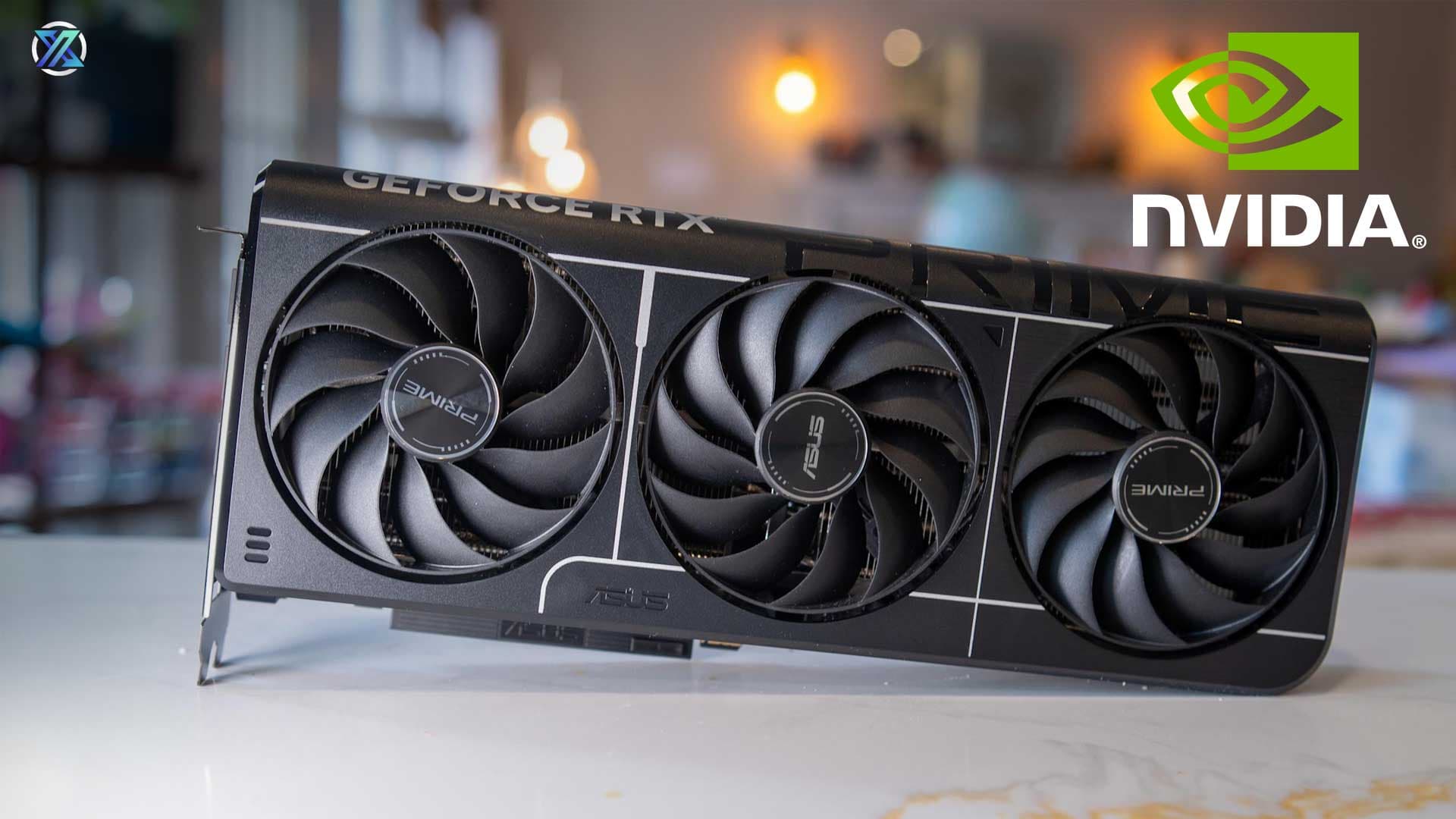
In a development that's sending shockwaves through the PC hardware market, several industry reports are now indicating that Nvidia, the largest maker of discrete graphics processors for gaming, will slow down production of the GeForce RTX 50 series GPUs, which were aimed at gamers, by up to 40% in early 2026. The sources of these claims, Asian supply chain insiders and tech news sites reporting on Chinese platforms, attribute the decision to the deepening constraints on memory supply and the changing of company priorities.
If this turns out to be correct, it can impact the gamers, the PC components ecosystem, and the whole semiconductor supply chain considerably next year.
What the Reports Are Claiming
Nvidia is said to be preparing a significant cut in the production of its GeForce RTX 50 series GPUs by about 30-40% in H1 2026 as per several recent news sources. This would be a drastic reduction compared to the same period in 2025. The proportions stem from supply chain leaks that were shared on forums and then reported by tech media but have yet to be confirmed by Nvidia on an individual basis.
Advertisement
The two mid-range models in particular, the GeForce RTX 5060 Ti 16GB and the GeForce RTX 5070 Ti are reportedly the first ones to get cut in production, mostly due to the fact that they consume a lot of VRAM when compared to their price.
It is pointed out by industry insiders that the overall output cut would impact the whole RTX 50 range but mainly cards for mainstream and upper-midrange gamers while the high-end ones and those for professional users would be left out.
Advertisement
Why Nvidia Might Be Cutting Production
- Memory Shortages and Supply Constraints
The main reason mentioned by all sources is the ongoing global deficit in the supply of memory parts, particularly GDDR6 and GDDR7 video RAM, which are essential for the working of modern GPUs. It is said that these shortages are the result of overall industry trends in which the big players in the memory market are transferring their production capacity to the high-margin segments like data center and AI server markets and the consumer side is left with limited supplies.
This problem is not only associated with GPU memory, but also the supply difficulties in DRAM, NAND flash and other memory types are adding to the overall shortage that influences laptops, desktops and component manufacturers all over the place.
Advertisement
Due to the scarcity of memory wafers, Nvidia might have to make a hard choice about which chips are going to get the limited VRAM, probably giving preference to high-margin or enterprise-oriented products instead of gaming GPUs.
- Corporate Shift Toward AI and Data Center Markets
Another very important reason is that the revenue collection within Nvidia's business is changing. Nvidia has opened up its data center and AI infrastructure segments and gaming GPUs have now shrunk in terms of revenue share greatly. So, even though the official financial data is only available till mid-2025, at the moment, the observers believe that Nvidia's brightest segment has been data centres and that is the reason for the diminishing share of gaming revenue in total revenue.
Thus, in the light of this, to allocate a lot of production of memory and other resources to AI-oriented accelerators and enterprise GPUs could be more profit-making for the company than to give preference to the consumer gaming graphics cards. Also, this could mean a decline in the overall consumer GPU output if Nvidia decides to prioritize AI chips on the same production lines.
- Demand and Pricing Dynamics
Market analysts and supply chain insiders have also identified the drop in gaming GPU demand as a potential factor contributing to the production cut story. The combined effect of higher PC and component prices, and consumers being uncertain about the economy that has affected the sale of high-end graphics cards may have lessened demand compared to the previous cycles.
Besides the increased price of memory which is contributing to the overall GPU production cost, the real demand may also be further reduced by the fact that retail prices remain high. This would happen even if Nvidia were to keep the official MSRPs and try to maintain them. The limited supply and high costs could also lead to the inflation of the secondary market even without the official price hikes.
Market Reactions and Stock Impact
It looks like the financial markets have been affected by the news regarding possible cuts in GPU production. A few observers in the market pointed out that Nvidia’s stock price went down a little after the first news was out, which showed that the investors were worried about demand predictions and inventory changes.
While Wall Street analysts considered Nvidia’s gaming segment, which has been in the past a mainstay of the brand identity, less of a factor they also thought about the sales of the product for the future. It can affect the mood even though the gaming market is still a significant source of revenue and gets wide consumer engagement.
Implications for Gamers and the PC Ecosystem
- Availability and Pricing for New GPUs
Perhaps the most direct impact of a 30–40% production cut would be reduced availability of next-generation GPUs. That means consumers looking to buy RTX 50 series cards in early 2026 may face scarcer stock, empty storefront shelves, and longer waits for restocks.
Lower supply with steady or growing demand traditionally leads to higher actual retail prices, even if manufacturers keep official MSRPs unchanged. Resellers and secondary markets such as eBay or enthusiast forums could exaggerate this effect if scarcity persists.
- Mid-Range Gamers Most Affected
Reports specifically highlight mid-range cards, often considered the sweet spot for price-to-performance value as being among the most affected by production cuts. Gamers who target these GPUs for 1440p or 4K gaming without paying flagship prices might find their options notably more limited when stock does arrive.
Some analysts even suggest that this could push a segment of buyers toward lower-memory or older generation cards, or force them to wait or spend more on higher-end models that are prioritized for production.
- Impact on System Builders and OEMs
System integrators and PC builders who rely on a steady stream of GPUs to stock pre-built desktops may see supply challenges in early 2026. Reduced GPU output can disrupt inventory planning and delay product launches or bundle offerings targeted at gamers and creative professionals alike.
For smaller builders and boutique OEMs, which often depend on consistent access to mainstream GPUs, tight supplies could squeeze margins or limit the breadth of their offerings.
Industry and Competitive Context
AMD and the Broader GPU Market
The ripple effects of Nvidia’s production decisions are not confined to one company. AMD, Nvidia’s principal competitor in discrete GPUs, could see corresponding shifts in its own product demand and pricing environment.
Memory shortages affecting Nvidia also impact AMD’s GPU output because VRAM supply constraints are systemic across the industry. However, AMD’s product portfolio and strategic positioning differ somewhat, and its mid-range RDNA-based GPUs could benefit if Nvidia’s offerings become scarcer.
Intel’s nascent GPU efforts are also in their early stages, and while unlikely to fill any sudden supply vacuum immediately, broader market tightening might create unique strategic opportunities for alternative players.
Is This Confirmed or Still Rumor?
It’s important to stress that Nvidia has not officially confirmed any plans to cut production by 40% in 2026. All current accounts are reports and rumors based on industry sources and supply chain leaks, and official statements on Nvidia’s manufacturing roadmap are still absent.
Tech publications covering the story generally urge caution, noting that while the cited memory shortages and market dynamics are plausible, the precise scale and timing of production adjustments remain unverified.
What Could Happen Next?
- Official Nvidia Response
Given the widespread coverage and market reaction, Nvidia could issue a statement addressing these rumors, either confirming production shifts with context or clarifying its plans to quiet speculation.
An official roadmap for the GeForce RTX 50 series, memory supply strategies, or commentary on memory market conditions would help stabilize consumer sentiment and retail planning.
- Memory Market Developments
Much hinges on how the global memory supply situation evolves. If memory manufacturers ramp consumer-oriented VRAM production or alleviate shortages, some of the pressure on GPU output could ease.
Conversely, continued scarcity might force Nvidia and other GPU makers to maintain tighter supply, reinforcing the observed trend toward prioritizing high-margin or enterprise products.
- Pricing and Market Shifts
Should production cuts materialize as reported, the PC component landscape in 2026 could see higher GPU prices, longer waiting periods for restocks, and renewed interest in older or alternative solutions (such as cloud gaming or integrated graphics for certain gamers).
Retailers might adjust pricing strategies ahead of time, and enthusiast communities will be watching inventory signals closely as 2026 approaches.
Conclusion
Reports that Nvidia is preparing to cut GeForce RTX 50 series gaming GPU production by up to 40% in early 2026 have ignited considerable discussion and concern across the PC hardware industry. While unconfirmed officially, the claims are rooted in supply chain leaks and broader memory market trends that point to constrained VRAM availability and shifting strategic priorities for Nvidia.
If the reductions do occur, gamers could face scarcity and higher prices, particularly in the mid-range segment, while Nvidia leverages limited supplies toward higher-margin or enterprise-focused products. The broader ecosystem, including AMD, memory manufacturers, and system builders will also feel the effects of any such shift.
As the tech industry heads into 2026, the situation underscores how memory market dynamics and corporate strategy decisions can profoundly shape the consumer technology landscape just as much as silicon performance and architectural innovation. Only time and official clarification from Nvidia, will determine how deep the impact truly is.