


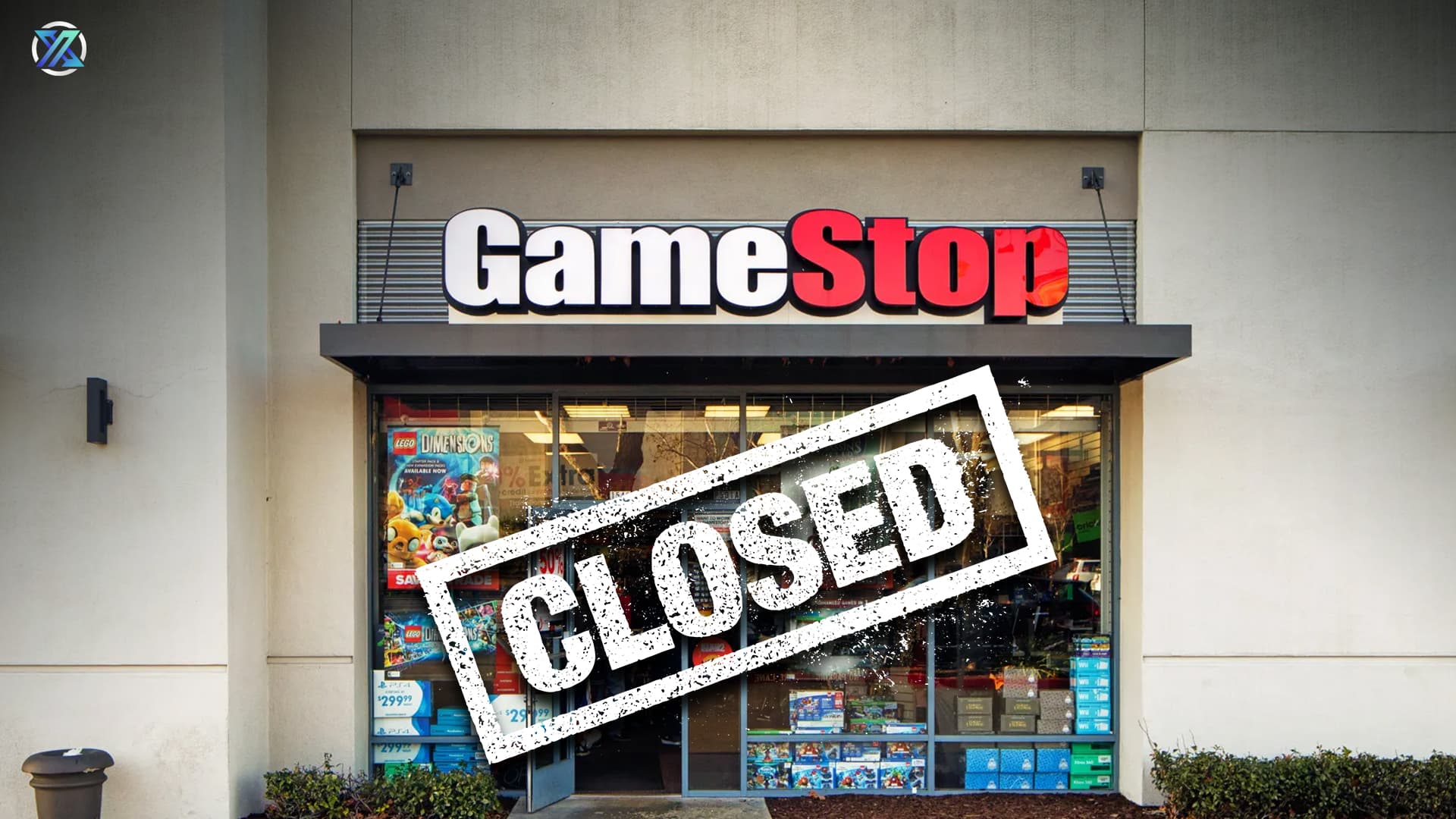
The unexpected closure of GameStop has brought a wave of confusion and concerns for gamers across the U.S. For years, the brand has been a one-stop shop from where players got their first console game and got their queries solved by knowledgeable staff. Unfortunately, GameStop has officially announced that it will close hundreds of U.S. stores that players have been calm for.
Currently, discussions are filled with queries and concerns about what this can actually result in, especially for those who have been connected with the brand for a long time. While online gaming is more flourishing in this data-driven era, many gamers still value going into the physical store to choose their favourite game. These closures don't only indicate that locations are turning fewer, but they dictate where the gaming community is tending towards. To know current updates, primary causes, and what it actually means for the industry, this blog remains a must-read.
What’s Currently Happening?
Latest reports showed GameStop is shutting a significant U.S.-based store by early January 2026. The firm hasn't officially declared the exact number, but credible sources hinted that nearly 200 locations could close in January 2026 alone. Specific locations, like California, Arizona and New Jersey, have been on the radar for the January 2026 closure as reported by the local news coverage, employee reports and in-store signage.
Advertisement
While the exact list of closures is yet to unfold, the scale of this transformation has created a stir all over the Internet. Currently, the primary question amongst the players remains how many stores are closing and how they will buy physical copies after that. GameStop's U.S. stores closure looks more deadly than just a simple discontinuation, as it points out the real change in how people think about physical game retail.
Possible Reasons for the Significant Closures You Deserve to Know
From Twitter conversations to Reddit threads, gamers are talking about what led GameStop to close its stores in the United States. Since the decision is massive, it is usual that it was fueled by not one, but multiple factors. Those who want to know what’s the actual reason behind the unfortunate closure of the U.S. stores can refer to the underlying table.
Advertisement
| Key Contributing Factors | How Does It Affect? |
| Transfer to Physical to Digital Gaming | AInvest indicated that one of the biggest reasons behind the closure is the ongoing transformation towards digital game purchases. Nowadays, players prefer downloading rather than visiting stores for physical discs. |
| E-Commerce Competition and Declining Traffic | Like many traditional stores, GameStop faces troubles from the online shopping and e-commerce platforms that offer convenience, like time-saving and a wider selection. This report indicated less demand for the physical stores. |
| Consumer Habits Change | New-gen titles use digital storefronts, like PlayStation Store, Xbox Marketplace, Steam and subscription services more than buying boxed copies. |
| Store-Optimization and Cost-Cutting Strategies | GameSpot emphasized that it is closing a significant number of stores as a cost-cutting approach and store-optimization review, which aims to focus on stronger locations while saving from the underperforming ones. |
What Happens to Gift Cards, Trade-Ins and Pre-Orders After the Closure?
A GameStop store closure brings an unusual concern among the customers, primarily about the trade-in value, gift cards and any pre-ordered title they have already paid for. Recent sources highlighted brand cards, including digital and physical, which don't expire and can still be used after a store closes. Players can redeem them online at Gamestop's official website or any other location. However, it is noted that gift cards can't be redeemed for cash unless required by law. Those with older cards without a PIN should try redeeming them online first during checkout.
Advertisement
If you have traded-in games, accessories or consoles before the store shuts down, you should note that those trades are already credited to the account. After the closure, players can’t trade items at that specific location, but they can continue trading at other GameStop locations.
The system usually shifts your pre-order automatically for the games or consoles you pre-ordered at the closing store. Regarding this matter, a few Reddit users shared that the transfers are often completed within a few days and don’t impact the balance.
Is the Closure A Smart Business Move or a Bad Sign for Gamers?
GameStop's motive behind shrinking its physical presence can be a decent financial decision. Analysts indicated that shutting underperforming stores can save money and focus on stores that have more visits. Since digital game sales have become the new thing, managing an extensive physical store line-up doesn't make sense, especially for those underperforming. Fewer stores will cut down on renting costs, staffing overloading, and focus more on online business.
In contrast, GameStop's store closure indicates deeper problems with its traditional business model. While it is clear that physical visits sound less convenient than online purchasing, as per many gamers, it affects people who like the traditional way. Gamers who want to browse through the shelves and get in-person suggestions are those who this transformation will primarily impact.
How Can This News Impact the Gaming Industry?
The store closure not only affects the gamers, but it has also changed specific industry dynamics. Many consider this to be GameStop's decision as just a simple discontinuation, but deep down, it marked a broader industry shift. Refer below to know how the unexpected U.S. store closure impacted the gaming environment :
- Physical retail stores shrink as digital platforms continue to flourish.
- Community and social gaming spaces can transform as in-person hubs discontinue.
- Gamers will opt more to digital buying than visiting stores.
- Secondary markets could fill the gaps that remained after the store closure.
Is GameStop Finally Coming to an End in 2026?
Throughout the buzz, it is to be understood that GameStop hasn't officially shut down entirely in 2026, but this store closure movement has left many players puzzled. The brand is closing some of its stores, primarily the underperforming ones, to restructure and adapt to the digitalized era. However, it will still operate at both physical and online mediums.
As of now, there is no official statement by GameStop that it will permanently terminate its operations in 22026. Industry experts who closely watched these shifts condemned that it was a necessary move from outdated retail to digital convenience. Others expressed concerns about whether the brand will lose its originality as its core (physical stores) mechanics weaken.
The Final Words
The current GameStop store closure news is a perfect example of how businesses shift their strategies depending on the current market trends. In this case, the brand closed its underperforming hubs as digital downloads contributed to evolving and changes in consumer habits.
Keeping that in mind, players should understand that it is not altogether terminating its operations in 2026; instead, it is undergoing a massive transformation. While it is not yet the end, 2026 may be considered as a turning point for GameSpot, besides just a deadline.