
QUOTE : You don’t really lose a game when you stop playing it. You lose it when the servers go dark.
There are shutdowns, and then there are final shutdowns.
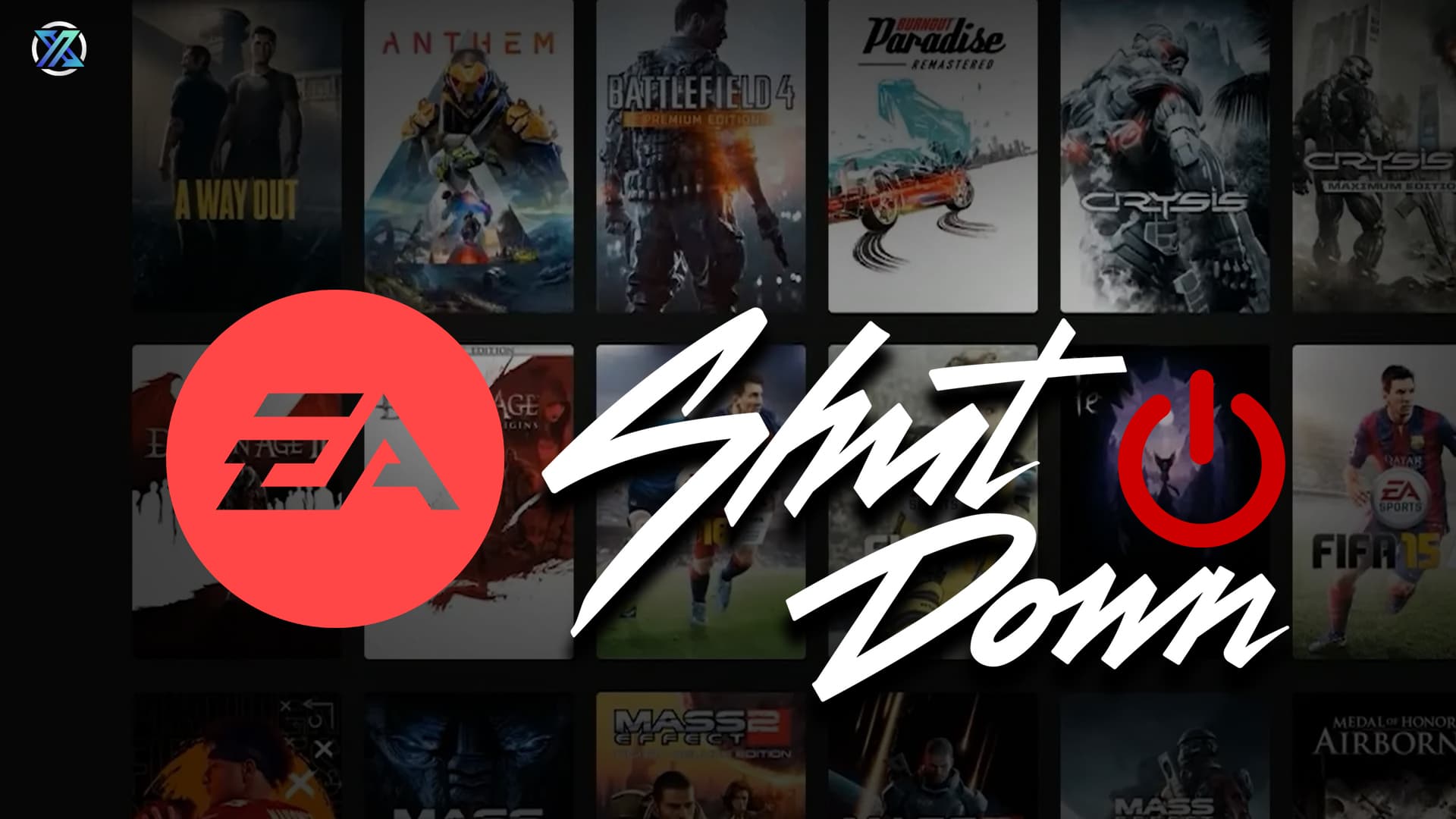
On January 12, Electronic Arts will permanently shut down servers for several games, with Anthem taking center stage. Once the clock runs out, the game will not enter maintenance mode. It will not limp along offline. It will simply cease to exist in any playable form.
❌No login.
❌No free roam.
❌No “one last mission.”
Advertisement
JUST GONE!
And whether you loved Anthem, hated it or forgot it existed, this moment hits harder than it probably should.
What exactly is shutting down on January 12
Let’s clear up the confusion first, because headlines have been doing what headlines do.
Advertisement
EA is not shutting down as a company. EA Play is not disappearing. Your EA account is not being deleted. What is happening is the permanent shutdown of servers for select EA titles, starting with Anthem on January 12.
Anthem is the big one because it is fully online-dependent. There is no offline mode. No workaround. When the servers shut down, the game becomes completely unplayable, even if you bought it, downloaded it, and still have it installed.
Other EA games are also being sunset around the same window, but Anthem is the emotional flashpoint. It is the clearest example of what happens when an always-online game reaches the end of its life.
Advertisement
Why Anthem’s shutdown feels different
Plenty of games shut down every year. Mobile titles vanish quietly. Sports games rotate out. Older online modes get turned off with barely a whisper.
Anthem is different because it always felt like a game that never got its second chance.
This was BioWare trying something bold. Flying combat. A gorgeous world. Big ideas about shared experiences and evolving content. And for a brief moment, you could see the shape of something special under the cracks.
But those cracks never stopped spreading.
Technical issues at launch. Content droughts. Reworked roadmaps that never arrived. Eventually, Anthem Next was cancelled, and the game entered a strange limbo where it existed but did not really live.
January 12 is not just a shutdown. It is the final page of a story that never got its proper ending.
The always online problem comes back again
Anthem’s fate is a textbook example of the biggest flaw in always-online design.
When servers are required for everything, ownership becomes temporary. You are not buying a game. You are renting access to a service that can be revoked at any time.
Once EA flips the switch, Anthem cannot even be preserved as a solo experience. It cannot be revisited years later. It cannot be archived in any meaningful way. It simply disappears.
That reality is uncomfortable, especially for players who paid full price at launch and stuck with the game through its roughest moments.
What EA has said about the shutdown
EA has framed the shutdown as part of routine service updates. From a corporate perspective, it makes sense. Maintaining servers costs money. Anthem no longer generates meaningful revenue. Resources are better spent elsewhere.
But from a player's perspective, the message lands cold.
There is no offline patch. No farewell event hosted by the developer. No attempt to preserve the experience in a playable form. The game ends because the infrastructure ends.
It is clean. Efficient. And emotionally empty.
A quick look at what is actually happening
| Game | Shutdown Date | What happens after |
| Anthem | January 12 | Completely unplayable |
| Other EA titles | January window | Online features disabled |
| Purchased copies | After shutdown | No access if online only |
| Offline modes | If available | Still playable |
This table is simple, but it highlights the key issue. Anthem has no safety net.
The community reaction feels like a quiet wake
In the weeks leading up to January 12, players have been logging in not to grind loot, but to say goodbye. People are flying one last time.
Taking screenshots. Standing in hubs doing nothing in particular.
It feels less like a game session and more like a digital memorial.
That says a lot about Anthem’s strange legacy. It failed publicly, but it still mattered privately. People saw potential. People imagined what it could have been.
Games rarely get that kind of farewell when they truly do not matter.
This is bigger than Anthem
Anthem is just the most visible example.
The real story here is about how modern games die.
Physical media used to mean permanence. Even if servers shut down, you could boot up a game and play some version of it. That safety is disappearing. As more games move to always-online models, shutdowns stop being inconveniences and start becoming erasures.
Today it is Anthem. Tomorrow, it could be something you are actively playing right now.
That is the part that should make everyone pause.
What this means for players going forward
January 12 is a reminder to be cautious about what you invest in emotionally and financially.
It does not mean never play live service games. It does mean understanding the deal you are making. You are trading permanence for updates, community, and ongoing support.
When that support ends, so does the game.
For some players, that trade is worth it. For others, Anthem’s shutdown is the final straw.
Why EA’s timing stings
There is something especially harsh about a January shutdown.
It comes right after the holidays. Right after people have time off. Right when players are settling into new routines. It feels abrupt, even if the notice existed beforehand.
January shutdowns do not feel like endings. They feel like cleanups.
That tone matters.
Anthem’s legacy will always be complicated
It is easy to dunk on Anthem. The internet did that for years. But history tends to soften sharp edges.
Anthem will be remembered as a warning, but also as a reminder that ambition without support collapses under its own weight. It will be remembered for flight mechanics that felt incredible, even when everything around them struggled.
Most of all, it will be remembered as a game that deserved better than silence at the end.
January 12 is not just a date
It is a line in the sand for live service gaming.
On that day, Anthem stops being a game and becomes a memory. A cautionary tale. A conversation starter. A reminder that in the digital age, access is fragile.
You can uninstall a game.
You can move on from a game.
But when a game is taken away, it hits differently.
January 12 is when Anthem takes its final flight.