


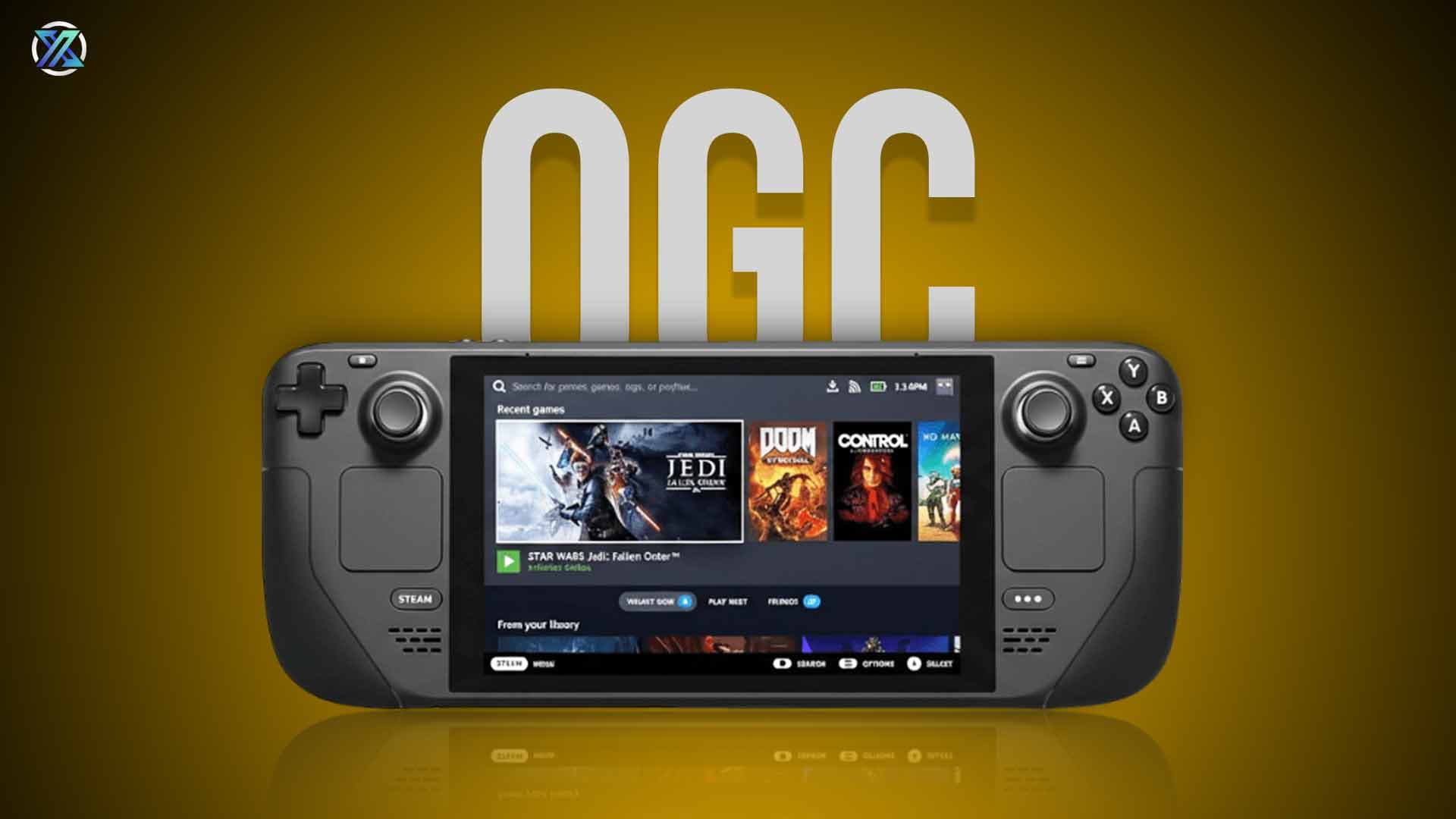
Reportedly, most of us use Windows for gaming. What else are you gonna use a Mac? However, I was thrown off the charts the day I used Nobara OS, which is considered one of the best gaming distros of Linux.
For almost a decade, the Linux gaming ecosystem has been fragmented, with different OS, different Kernel patches, and more than a hundred fixes. However, this problem has come to an end, and Linux users can finally rejoice in peace as the “Open Gaming Collective”, a collaborative project, is currently in progress.
What is the Linux Gaming Ecosystem?
Linux has always been considered an underdog in the gaming industry due to Window’s market share gap. But if grasped correctly, you’ll attain world peace for sure. Though Linux is an outcast for new generation players, it is faster, more efficient, and provides a godly performance in comparison to Windows. As a leaner operating system, Linux doesn’t come with bloatware, which Windows is well known for!
Advertisement
Right off the bat, the Linux Gaming Ecosystem is the complete setup built by different individuals, which makes gaming in Linux possible. Not just an average Joe, the Linux Gaming Ecosystem includes powerful distros like Chimera, Bazzite, and Nobara OS.
Advertisement
The game changer is still to be introduced; the gaming ecosystem of Linux is backed by Valve’s Steam and Proton. Most of the games are compatible with the Linux OS, as Steam runs natively on it.
Moreover, the Proton helps Linux OS to translate Windows games and run them smoothly. Soon after the release of the Steam Deck, Linux Gaming has captivated many gamers from the community, as the OS allows the user to customize according to their needs and gives a console-like feeling.
Advertisement
What is Open Gaming Collective?
OGC or Open Gaming Collective was the long-lost brother, which was finally found by many individual developers in January 2026. The announcement not only increased hope for Linux gamers but also got attention from Windows users.
It’s a key collaborative initiative taken by developers such as Bazzite (Universal Blue), Asus Linux, ShadowBlip, Pika OS, Fyra Labs, Chimera OS, Nobara OS, Playtron, and many more in the team to eliminate duplicate work and improve the open-source gaming ecosystem. After reviewing the official announcement and their mission, I think OGC might become a revolutionary factor for the Linux Gaming Ecosystem and its users.
What are the Major Changes in OGC for the Linux Gaming Ecosystem?
With a mission to provide a collaborative framework for upstream changes, the OGC is all set to build a unified group of gaming components that are used across the Linux Ecosystem. The overall goal of this collaboration is to reduce fragmentation and put their hands on the centralization of essential gaming components such as kernel patches, gaming middleware, and input tooling.
For those wondering, OGC is not a new OS developed by these individuals; it’s more like an “F1 pit crew” that is working together to ensure that different gaming distros work better together. Besides upgrading the main components like the Linux Kernel and Mesa, the OGC will standardize gaming components to reach wider compatibility.
Final Verdict
Will OGC be the future of Linux Gaming? This question is as hard as answering the gap year question to a job interviewer. For Windows users, OGC’s new Linux Gaming Ecosystem might not work due to the habitat they have built over time on the Windows OS.
However, according to me, this move might actually work, and OGC’s Linux Gaming Ecosystem could become the future for Linux gamers by increasing software quality and shared kernels, which can lead to better performance and hardware support across different distros.